

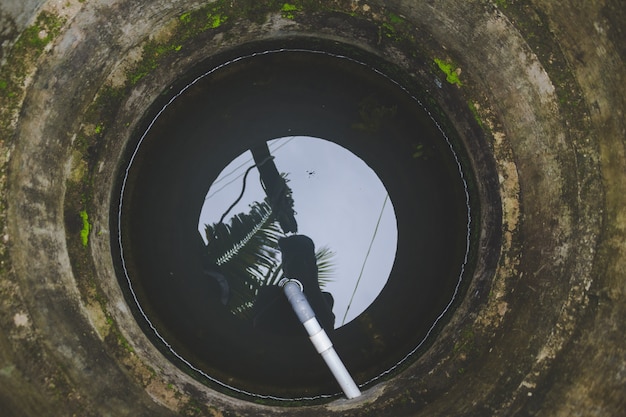
Maintaining a septic system is crucial for homeowners who rely on this method for waste management. A septic system that is well-maintained can last for decades, providing efficient service without the need for frequent repairs or replacements. Neglecting your septic system, however, can lead to costly repairs, health hazards, and environmental damage. Understanding the fundamentals of septic system maintenance can help in avoiding these issues. The following guide provides essential tips for keeping your septic system in optimal condition.
Understanding Your Septic System
To maintain your septic system effectively, it’s important to understand how it works. A typical septic system comprises a septic tank and a drainage field. The tank collects wastewater from your home and allows solids to settle at the bottom, forming sludge. The remaining liquid flows into the drainage field, where it undergoes further natural filtration.
Key Components
- Septic Tank: Stores solids and begins the treatment process.
- Drainage Field: Filters and disperses the treated water into the soil.
- Pipes and Baffles: Direct wastewater and ensure proper flow.
Regular Inspection and Pumping
Regular inspections and pumping are fundamental to maintaining a healthy septic system. Inspections should be conducted every three to five years, depending on the usage and size of your household. Pumping, on the other hand, is recommended every three to five years, or when the sludge and scum levels reach a critical point.
It is wise to schedule professional inspections to assess the overall health of the system. Discover expert strategies here to ensure your system is inspected thoroughly and regularly.
Water Conservation Practices
Excessive water usage can overwhelm a septic system, leading to potential overflow or failure. Implementing water conservation practices can significantly benefit the longevity and efficiency of your system.
Practical Tips
- Fix Leaks: Repair leaky faucets and toilets promptly to prevent unnecessary water flow.
- Use High-Efficiency Fixtures: Install low-flow toilets and showerheads to reduce water usage.
- Stagger Water Use: Spread out laundry and dishwasher loads to avoid overloading the system.
Find out more about this approach here to optimize water usage in your home.
Mindful Waste Disposal
What goes down your drains can impact your septic system. Mindful waste disposal is essential to prevent clogs and system damage.
Key Considerations
- Avoid Flushing Non-Biodegradables: Items such as wipes, diapers, and feminine products should never be flushed.
- Limit Harsh Chemicals: Minimize the use of bleach and harsh cleaning agents that can disrupt the bacterial balance in the tank.
- Dispose of Grease Properly: Avoid pouring grease down the drain as it can solidify and cause blockages.
Explore advanced guides and tips here to ensure your waste disposal practices support septic health.
Landscaping Considerations
Landscaping plays a crucial role in protecting your septic system. Proper yard maintenance can prevent root intrusion and soil compaction, both of which can damage the system.
Best Practices
- Plant Trees Away from the System: Roots can infiltrate and damage pipes, so plant trees and shrubs at a safe distance.
- Avoid Heavy Machinery: Do not drive or park vehicles over the septic area to prevent compacting the soil.
- Manage Rainwater: Ensure that drainage from gutters and other sources is directed away from the septic system.
Learn about our tailored solutions here to incorporate landscaping practices that protect your septic system.
Implementing these maintenance practices can help extend the life of your septic system and prevent costly repairs. Regular attention to inspections, water usage, waste disposal, and landscaping will ensure your system operates efficiently for years to come.