

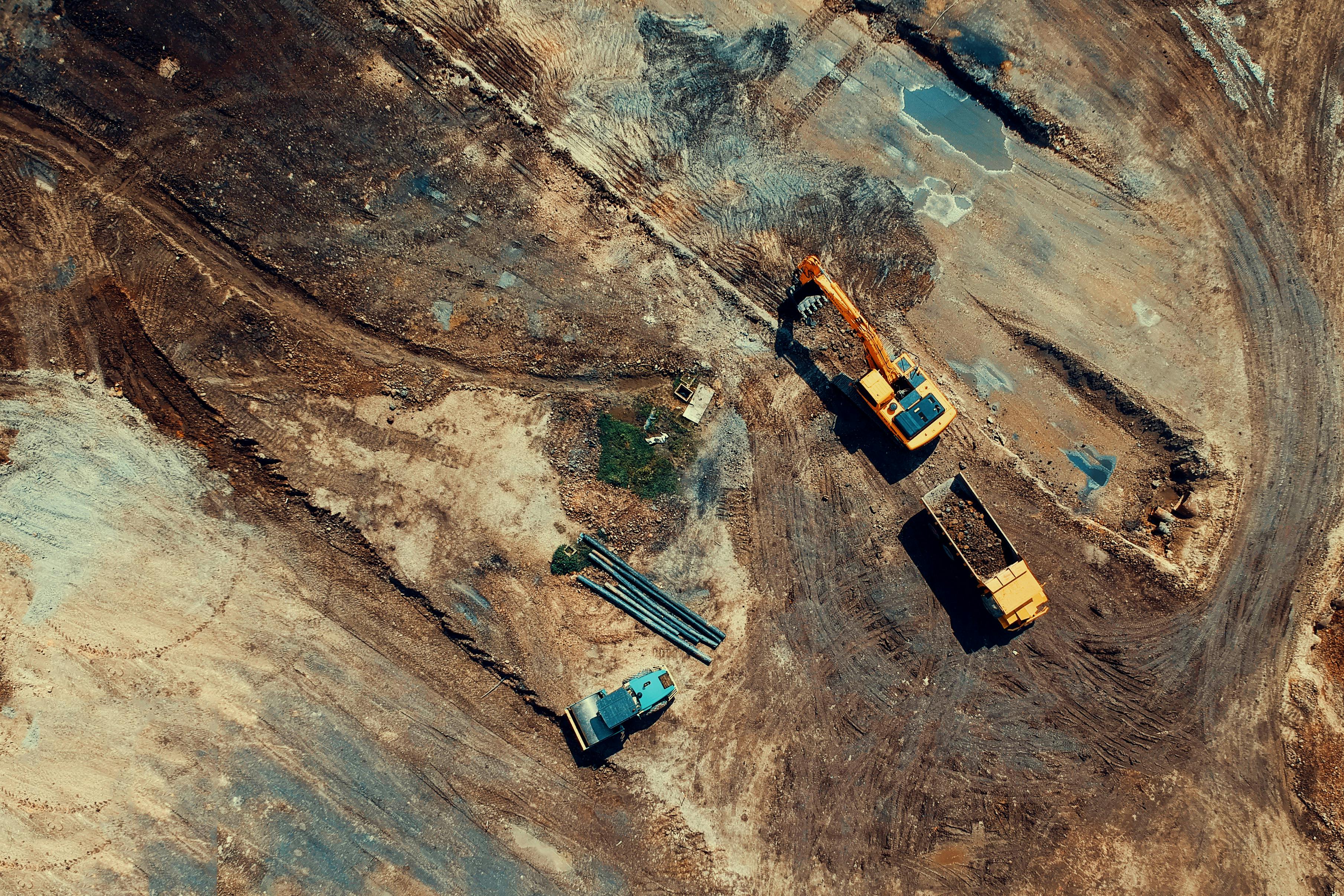
Successfully navigating the complexities of Phase”?2 environmental risk management is essential for developers aiming to protect investments, comply with regulations, and maintain community trust. After completing preliminary assessments, the focus shifts to detailed investigations, data interpretation, and the implementation of mitigation strategies that address identified hazards. This article outlines the critical steps, best-practice methodologies, and strategic considerations that enable developers to manage environmental risks efficiently while staying aligned with legal requirements and sustainability goals.
Understanding Phase”?2 Environmental Investigations
Phase”?2 investigations build upon the findings of Phase”?1 site assessments by conducting targeted sampling, laboratory analysis, and risk characterization. The primary objectives are to confirm the presence of contaminants, determine their extent, and evaluate potential exposure pathways.
Key Components of a Phase”?2 Study
- Site Characterization: Detailed mapping of soil, groundwater, and surface water conditions.
- Sampling Plan Development: Selection of appropriate media (soil, water, air) and sampling locations based on Phase”?1 findings.
- Laboratory Analysis: Use of accredited labs to test for volatile organic compounds (VOCs), heavy metals, petroleum hydrocarbons, and other relevant contaminants.
- Risk Assessment: Application of EPA or local guidelines to evaluate human health and ecological risks.
- Regulatory Reporting: Preparation of comprehensive reports that satisfy state and federal agencies.
Strategic Planning for Risk Mitigation
Effective risk mitigation begins with a clear strategy that aligns technical solutions with project timelines and budget constraints. Developers should integrate mitigation planning early in the Phase”?2 process to avoid costly redesigns later.
Developing a Mitigation Framework
- Identify contaminant hotspots and prioritize them for remediation.
- Choose remediation technologies that match site conditions (e.g., bioremediation, soil vapor extraction, pump-and-treat).
- Establish performance metrics and monitoring schedules to track remediation effectiveness.
- Engage with regulators early to secure approvals and streamline permitting.
Common Remediation Technologies
Selection of the appropriate technology depends on contaminant type, depth, and site constraints. Below is a concise overview of widely used methods.
- In-situ Bioremediation: Utilizes microorganisms to degrade organic contaminants directly within the soil or groundwater.
- Soil Vapor Extraction (SVE): Applies vacuum pressure to remove volatile compounds from the vadose zone.
- Excavation and Off-site Disposal: Removes contaminated soil for treatment or disposal at a licensed facility.
- Pump-and-Treat: Extracts groundwater, treats it above ground, and reinjects or discharges clean water.
- Phytoremediation: Employs plants to uptake or stabilize contaminants, suitable for low-to-moderate contamination levels.
Regulatory Compliance and Documentation
Maintaining compliance throughout the Phase”?2 process is non-negotiable. Detailed documentation not only satisfies regulators but also provides a defensible record for stakeholders.
Essential Documentation Practices
- Maintain a chain-of-custody log for all samples.
- Record field observations, QA/QC procedures, and analytical results in a centralized database.
- Prepare a comprehensive phase 2 environmental report that includes methodology, findings, risk assessment, and recommended remedial actions.
- Submit timely notifications and permit applications to local environmental agencies.
Stakeholder Communication and Community Relations
Transparent communication with investors, local authorities, and the community mitigates concerns and builds trust. A proactive outreach plan should include regular updates, public meetings, and accessible reporting portals.
Effective Communication Tactics
- Develop concise fact sheets summarizing key findings and remediation timelines.
- Host community workshops to explain health and safety measures.
- Provide an online dashboard that tracks remediation progress in real time.
- Address media inquiries promptly with factual, non-technical language.
Cost Management and Financial Planning
Environmental remediation can represent a significant portion of a development budget. Implementing cost-control measures early helps prevent overruns.
Financial Strategies
- Conduct a cost-benefit analysis for each remediation option.
- Explore incentives, grants, or tax credits available for brownfield redevelopment.
- Phase remediation activities to align with construction milestones.
- Negotiate fixed-price contracts with remediation vendors where feasible.
Future-Proofing Development Projects
Integrating sustainability principles into Phase”?2 risk management not only addresses current liabilities but also enhances long-term asset value. Developers should consider:
- Designing infrastructure that accommodates future monitoring and maintenance.
- Incorporating green spaces that can serve as natural buffers.
- Leveraging emerging technologies such as real-time sensor networks for ongoing environmental surveillance.
By adhering to these structured strategies, developers can navigate Phase”?2 environmental risk management with confidence, ensuring regulatory compliance, protecting public health, and preserving project viability. The disciplined approach outlined above transforms potential obstacles into manageable tasks, ultimately supporting successful, responsible development.