

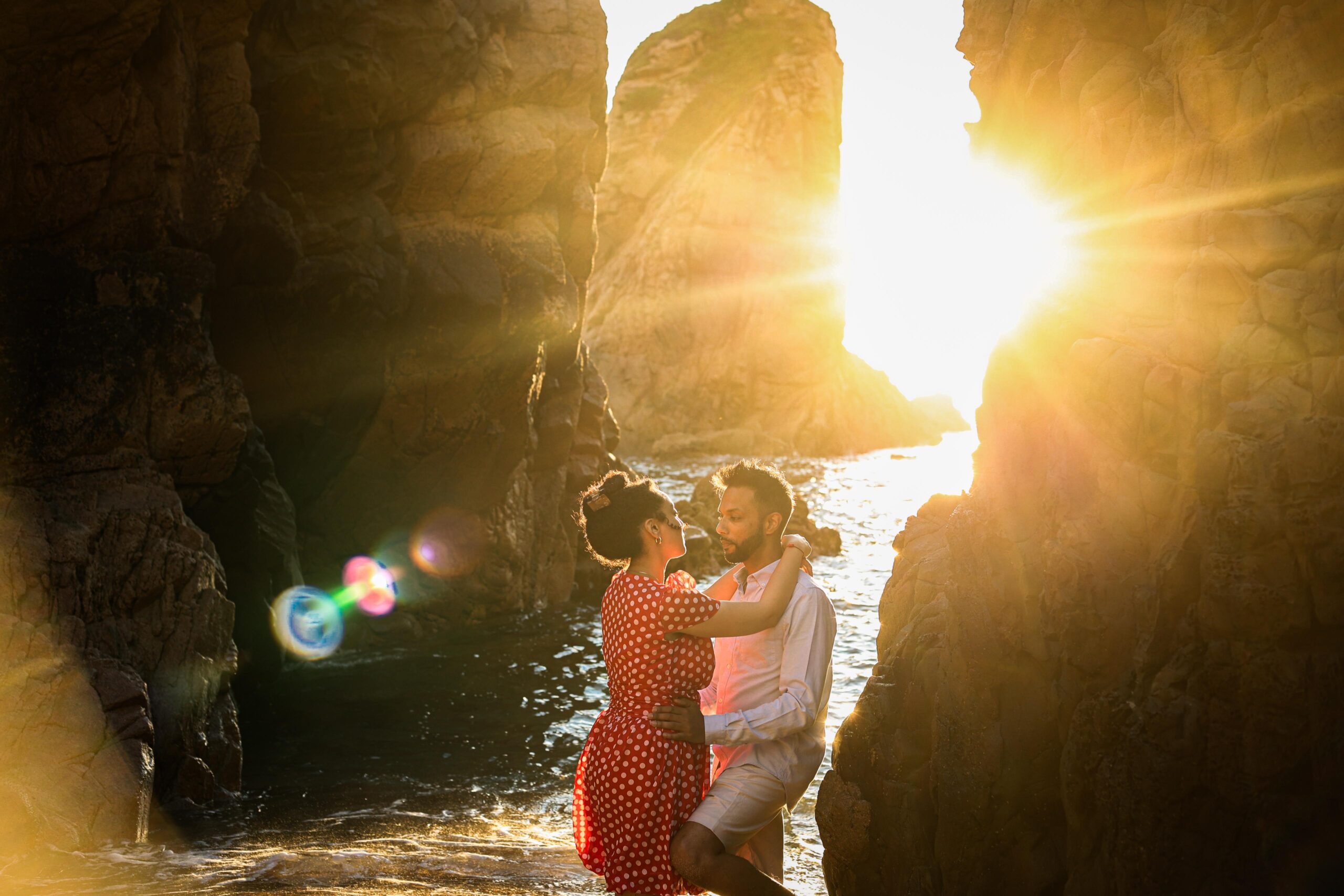
Choosing the perfect location for an engagement photo shoot can feel like a daunting task, especially when the goal is to capture genuine emotion while showcasing the unique character of a couple’s story. A well-selected backdrop not only enhances the visual narrative but also simplifies logistics, lighting, and overall comfort on the day of the shoot. By evaluating style preferences, practical considerations, and local resources, it’s possible to pinpoint a setting that feels both intimate and unforgettable. The following guide outlines a systematic approach to discovering the ideal venue, while offering actionable tips that can be applied to any city or region.
Define the Desired Aesthetic
Before scouting locations, clarify the visual style that best reflects the couple’s personality. This step helps narrow the search and ensures consistency throughout the photo set.
Key aesthetic categories
- Urban chic: Brick walls, graffiti alleys, modern architecture, and city skylines.
- Rustic romance: Barns, vineyards, wheat fields, and historic farmhouses.
- Natural serenity: Beaches, forests, gardens, and waterfalls.
- Classic elegance: Museums, grand staircases, historic mansions, and ornate interiors.
Once the preferred vibe is identified, use local search tools and community forums to compile a shortlist of venues that match the chosen theme.
Assess Practical Logistics
Even the most picturesque spot can become a challenge if logistical factors are overlooked. Evaluating these elements early prevents last-minute stress.
- Permits and fees: Many public spaces require permits; research municipal regulations and budget for any associated costs.
- Accessibility: Consider parking, wheelchair access, and the distance between the shoot location and the couple’s preparation area.
- Lighting conditions: Natural light varies by time of day; scout the site at the intended hour to confirm the quality of light.
- Weather contingency: Identify nearby indoor alternatives in case of rain or extreme temperatures.
Leverage Local Knowledge and Online Resources
Local expertise can dramatically streamline the selection process. Professional photographers often maintain curated lists of reliable locations, and many cities publish “photo-friendly” guides.
- Search for blogs or articles that feature regional hotspots; these often include insider tips on optimal shooting angles.
- Consult municipal tourism websites for official photo permits and recommended scenic areas.
- Join local photography groups on social media to gather recent experiences and location reviews.
For a deeper dive into location-specific strategies, Discover expert strategies here provides a comprehensive overview of planning tools and resources.
Consider the Couple’s Story
Engagement photos become timeless keepsakes when they reflect personal milestones and shared interests.
- First meeting place: Recreating the setting where the couple first met adds sentimental value.
- Favorite hobbies: If they love hiking, a mountain trail can serve as a natural backdrop; if they enjoy coffee culture, a vintage caf?? might be ideal.
- Cultural heritage: Incorporating landmarks that represent family traditions can deepen the narrative.
Integrating these personal elements creates authenticity and resonance in the final images.
Test the Site Before the Shoot
A quick reconnaissance visit helps verify that the imagined composition translates in reality.
- Walk the route to assess foot traffic and potential distractions.
- Take test photos with a smartphone to gauge lighting and background clutter.
- Identify natural frames, archways, doorways, or tree canopies, that can be used creatively.
These preliminary checks also provide an opportunity to confirm that any required permits are still valid and that the venue’s operating hours align with the shoot schedule.
Integrate Professional Guidance
Even experienced couples benefit from the expertise of seasoned photographers who understand how to maximize a location’s potential.
- Photographers can suggest hidden angles that highlight architectural details.
- They often have relationships with venue managers, simplifying permit acquisition.
- Technical advice on equipment selection, such as lenses suited for tight spaces or wide-angle shots, optimizes image quality.
For additional insights on tailoring the shoot to specific environments, Learn about our tailored solutions offers practical recommendations.
Finalize the Location List
After gathering information, narrow the options to three to five top choices. Create a comparison chart that includes:
| Location | Style Fit | Permit Required | Accessibility | Lighting |
|---|---|---|---|---|
| Historic Harbor | Urban chic | Yes | High | Golden hour |
| Vineyard Estate | Rustic romance | No | Medium | Soft afternoon |
| Botanical Garden | Natural serenity | Yes | High | Morning |
Having a concise shortlist simplifies communication with vendors and ensures that all logistical details are addressed well before the shoot date.
Execute the Plan on the Day
On the day of the shoot, follow a structured timeline to keep everything running smoothly:
- Arrive 30 minutes early for a final site walk-through.
- Set up equipment and test lighting in each chosen spot.
- Guide the couple through poses that complement the environment.
- Capture candid moments between formal shots to maintain a natural feel.
- Wrap up with a brief review of the images to ensure key moments are covered.
For a comprehensive checklist and additional tips on day-of coordination, Explore advanced guides and tips provides a step-by-step framework.
Reflect and Share
After the session, review the photographs with the couple to select the final portfolio. Providing a brief guide on how to display or print the images adds value and reinforces the professional experience.
For further reading on post-shoot processes and presentation ideas, Find out more about this approach offers helpful suggestions.