

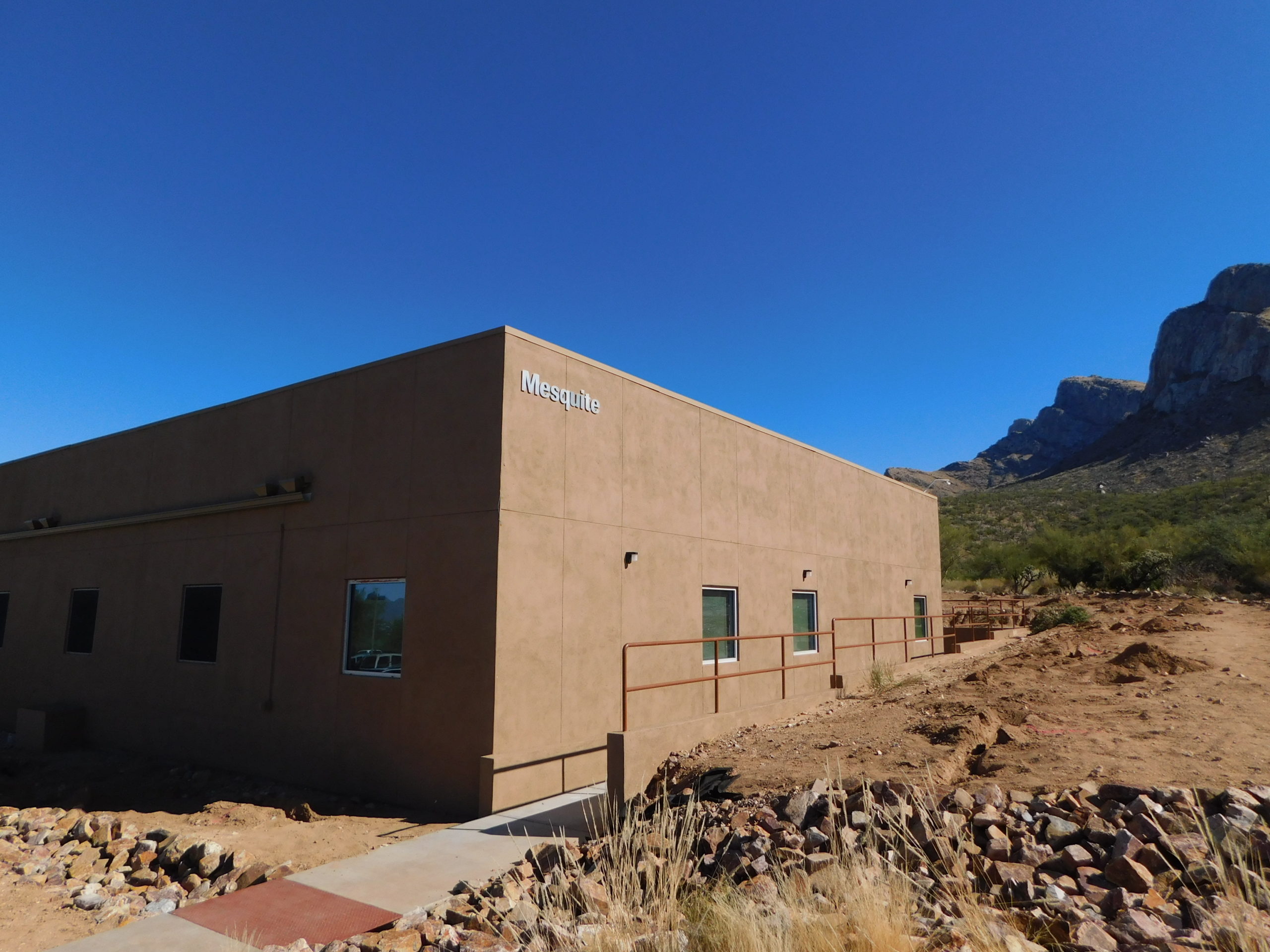
Modular building solutions have emerged as a dynamic alternative to traditional construction methods, primarily due to their efficiency and adaptability. As real estate developers and property managers strive to meet increasing demand and achieve fast occupancy rates, modular construction presents a compelling opportunity. This innovative approach not only accelerates the building process but also ensures compliance with quality standards, offering a viable solution for various sectors including residential, commercial, and educational facilities. In this article, we will explore how modular building solutions can significantly enhance occupancy rates and provide insight into their numerous benefits.
The Advantages of Modular Building Solutions
Modular construction offers several advantages over conventional building methods. These benefits can be particularly influential in achieving swift occupancy rates, crucial for both developers and tenants. Some of the key advantages include:
- Speed of Construction: Modular buildings are constructed off-site in a controlled environment, which reduces construction time significantly. This method allows for site preparation and building construction to occur simultaneously, expediting the entire process.
- Quality Control: The controlled factory setting ensures consistent quality, with each module undergoing thorough inspection before leaving the facility. This minimizes the risk of defects and enhances the overall durability of the structure.
- Cost Efficiency: Reduced construction time and labor costs translate to significant savings. Additionally, the predictability of modular construction minimizes the risk of budget overruns.
- Flexibility and Scalability: Modular buildings can be easily expanded or reconfigured to meet changing needs, providing long-term adaptability for property owners.
- Sustainability: The modular approach minimizes waste through precise material usage and promotes eco-friendly practices by reducing on-site disturbances.
For a deeper understanding of these advantages, read more about this topic.
Implementing Modular Solutions for Faster Occupancy
To achieve fast occupancy rates with modular building solutions, several strategic considerations must be taken into account. Here are some key factors to consider:
Site Selection and Preparation
Selecting an appropriate site is critical for the success of a modular building project. Considerations should include zoning regulations, accessibility, and infrastructure. Efficient site preparation ensures that once modules are ready, they can be swiftly assembled on-site. Explore further insights here on site selection strategies.
Design and Customization
While modular construction is often associated with standardized designs, there is ample room for customization. Collaborating with architects and designers early in the process can help tailor the modules to specific needs while maintaining the efficiency benefits of modularity. Learn more in this detailed guide about design customization in modular construction.
Project Management and Coordination
Effective project management is crucial in synchronizing the off-site construction with on-site preparations. Clear communication channels among stakeholders, including contractors, architects, and suppliers, ensure that the project progresses smoothly and meets deadlines. Find additional information here on project management best practices for modular buildings.
Conclusion
The adoption of modular building solutions represents a forward-thinking approach to construction, emphasizing speed, quality, and sustainability. By leveraging the inherent advantages of modular construction, developers can achieve faster occupancy rates, ultimately maximizing their return on investment. As the demand for efficient and cost-effective building solutions continues to rise, modular construction stands out as a transformative option poised to reshape the future of the industry. For those interested in exploring this innovative construction method further, numerous resources are available to guide the journey toward efficient building practices.