

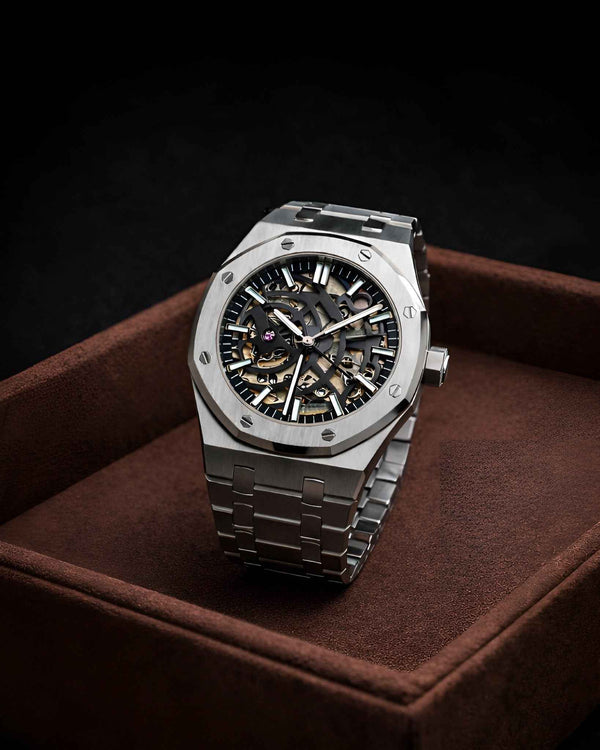
In an era where personal expression extends to every accessory, a watch is no longer just a tool for telling time, it is a canvas for individuality. Custom watch designs empower enthusiasts to merge craftsmanship with personal style, creating a timepiece that reflects both heritage and modern taste. By selecting materials, dial layouts, and unique finishing techniques, owners can transform a standard watch into a signature statement that tells a story as distinct as the wearer.
Why Choose a Custom Watch?
Tailoring a watch goes beyond aesthetics; it enhances functionality, emotional connection, and long-term value. A personalized watch can be engineered to meet specific needs, whether it’s a clearer legibility for a diver, a slimmer profile for formal wear, or a rugged build for daily adventure. Moreover, the process of co-creating a watch deepens appreciation for horological art, turning a simple purchase into a collaborative experience.
Key Benefits
- Unique Identity: No two custom pieces are identical, ensuring a truly exclusive accessory.
- Enhanced Comfort: Adjustments to case size, strap material, and weight create a perfect fit.
- Improved Functionality: Tailor complications, lume, and water resistance to suit specific activities.
- Investment Potential: Limited-run custom watches often retain or increase in value over time.
Core Elements of Personalization
When embarking on a custom watch project, several components can be modified. Understanding each element helps in crafting a cohesive design that aligns with personal preferences and practical requirements.
Case and Materials
- Stainless steel, titanium, carbon fiber, or precious metals.
- Finishes such as brushed, polished, sandblasted, or PVD coating.
- Custom engravings on the case back or lugs for a personal touch.
Dial Design
- Color palettes ranging from classic monochrome to vibrant hues.
- Index styles: Arabic numerals, Roman numerals, baton markers, or applied hour markers.
- Complication layouts, chronograph sub-dials, GMT indicators, or power-reserve displays.
Movement Selection
- Mechanical automatic vs. manual winding, each offering distinct tactile experiences.
- Quartz for precision and low maintenance.
- Hybrid options that combine mechanical aesthetics with quartz reliability.
Strap and Bracelet Options
- Leather, rubber, NATO, or metal bracelets, selected for comfort and style.
- Custom stitching, embossing, or color accents to match the dial.
- Adjustable end links for a perfect fit without aftermarket tools.
Design Process Overview
A structured workflow ensures that the final watch meets expectations while staying within budget and technical limits. Most reputable custom watch providers follow a step-by-step method that includes consultation, design mock-ups, prototype testing, and final assembly.
Step-by-Step Guide
- Initial Consultation: Discuss style preferences, functional needs, and budget constraints.
- Concept Sketches: Visual representations of case, dial, and strap combinations.
- Material Selection: Choose from curated lists of metals, finishes, and straps.
- Prototype Development: A functional mock-up is created for fit and finish verification.
- Final Approval: Review the prototype, request adjustments, and confirm the design.
- Production & Assembly: Skilled watchmakers assemble the components, applying final polishing and quality checks.
For a deeper dive into the intricacies of this workflow, Explore advanced guides and tips that outline each stage in detail.
Choosing the Right Partner
Selecting a knowledgeable and reliable custom watch service is crucial. Look for providers with a track record of precision engineering, transparent communication, and a portfolio that showcases diverse design capabilities.
- Experience with both vintage and modern movements.
- Access to premium material suppliers and proprietary finishing techniques.
- Clear timelines and realistic pricing structures.
- Positive client testimonials and after-sales support.
A reputable source often offers additional resources such as design calculators, virtual try-on tools, and detailed material guides. To see how expertise translates into practical advice, Discover expert strategies here.
Maintenance and Longevity
Even the most meticulously crafted custom watch requires proper care to maintain its performance and appearance. Regular servicing, proper storage, and mindful usage extend the lifespan of the timepiece.
Best Practices
- Schedule professional servicing every 3-5 years, depending on movement type.
- Store the watch in a dry, temperature-controlled environment when not in use.
- Avoid exposure to strong magnets, chemicals, and excessive shocks.
- Clean the case and bracelet with a soft cloth; use specialized cleaners for leather straps.
For comprehensive maintenance guidelines, Learn about our tailored solutions that cover everything from routine cleaning to full overhauls.
Future Trends in Custom Horology
The custom watch market continues to evolve with technological advancements and shifting consumer preferences. Emerging trends include:
- Smart-Mechanical Hybrids: Integrating discreet smart features without compromising traditional aesthetics.
- Eco-Friendly Materials: Recycled metals, vegan leather straps, and low-impact finishing processes.
- Modular Designs: Interchangeable modules that allow owners to update complications or styles without buying a new watch.
- 3D-Printed Components: Precision-engineered parts that enable intricate designs previously impossible with conventional machining.
Staying informed about these developments can inspire fresh ideas for the next custom project. To keep up with the latest innovations, Find out more about this approach and explore how cutting-edge techniques are reshaping personal watchmaking.
Conclusion
Custom watch design merges artistry with engineering, offering an unparalleled avenue for self-expression. By thoughtfully selecting case materials, dial layouts, movements, and straps, enthusiasts can craft a timepiece that not only meets functional demands but also serves as a lasting personal emblem. Whether seeking a sleek dress watch, a rugged explorer’s companion, or a futuristic hybrid, the possibilities are limited only by imagination and the expertise of skilled horologists. Embarking on this journey promises not just a watch, but a legacy that ticks in harmony with the wearer’s unique rhythm.