

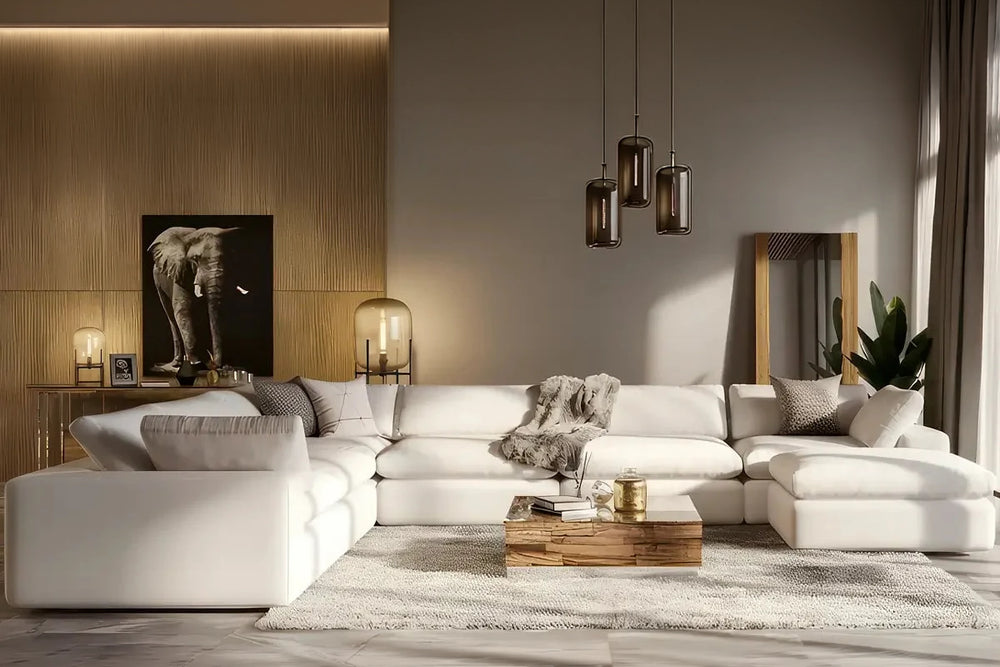
In the evolving landscape of interior design, modular sofas have emerged as a quintessential element for modern living spaces. These versatile pieces of furniture are designed to adapt to a variety of room sizes, styles, and functional needs, offering unparalleled flexibility and comfort. As lifestyles shift towards more dynamic and adaptable living environments, modular sofas have become a popular choice for those seeking to customize their comfort and aesthetic appeal. The art of modular sofa design lies in its ability to be rearranged, reconfigured, and expanded, allowing homeowners to create a seating arrangement that perfectly aligns with their personal preferences and lifestyle demands.
The Basics of Modular Sofa Design
Modular sofas are composed of individual sections or modules that can be combined in various configurations. This design concept not only provides flexibility but also allows for creative expression in room layouts. Here are some fundamental aspects to consider:
- Components: Common modules include corner pieces, armless sections, chaise lounges, and ottomans. Each piece can be used independently or as part of a larger configuration.
- Materials: Fabrics and finishes are available in a wide array of options, from luxurious leathers to durable textiles. The choice of material can significantly impact the aesthetic and function of the sofa.
- Assembly: Modular sofas are designed for easy assembly and rearrangement, making them a practical choice for anyone who enjoys changing their interior layout.
For those interested in understanding how to effectively utilize these pieces, explore further insights here.
Customization and Flexibility
The primary appeal of modular sofas is their ability to be tailored to fit individual needs. This customization extends beyond simple rearrangement:
- Scalability: Start with a basic set and expand as needed. This is particularly beneficial for growing families or changing living situations.
- Personalization: Choose colors, textures, and configurations that reflect personal style and match the room’s decor.
- Functionality: Add features like storage spaces, reclining modules, or convertible sleeping arrangements to enhance utility.
For a comprehensive understanding of these customization options, read more about this topic.
Design Considerations
When selecting a modular sofa, several design considerations come into play:
- Space Planning: Measure the room to ensure the chosen configuration fits comfortably without overwhelming the space.
- Traffic Flow: Arrange modules to complement the flow of movement within the room, ensuring easy navigation.
- Focal Points: Use the sofa to anchor the room and complement other design elements such as rugs, tables, and lighting.
For a detailed guide on integrating modular sofas into your home decor, learn more in this detailed guide.
Future Trends in Modular Sofa Design
As the furniture industry evolves, modular sofa designs are expected to incorporate more advanced features and sustainable materials:
- Eco-Friendly Materials: Increasing demand for sustainable living is leading to the use of recycled and eco-friendly materials in sofa design.
- Smart Features: Integration of technology, such as built-in charging ports and adjustable controls, is becoming more prevalent.
- Compact Solutions: With urban living spaces becoming smaller, compact and multi-functional designs are gaining popularity.
To stay updated on these evolving trends, find additional information here.
In conclusion, modular sofas offer a dynamic and flexible solution for modern living spaces. Their ability to adapt to changing needs and preferences makes them an ideal choice for those looking to enhance their home environment with comfort and style. Whether for a small apartment or a spacious living room, modular sofas can be tailored to meet the demands of any space, making them a timeless investment in customized comfort.