

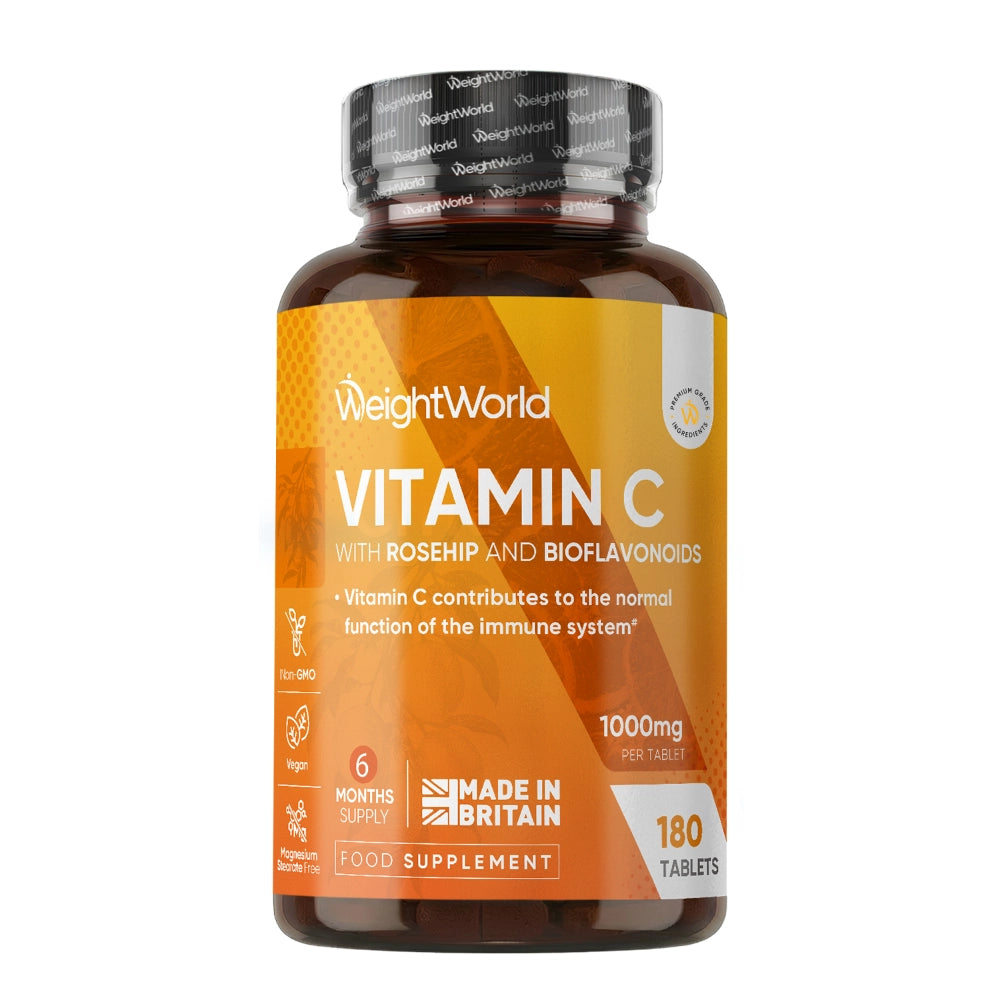
Vitamin”?C remains one of the most studied and widely used micronutrients in modern nutrition. From supporting immune defenses to enhancing collagen synthesis, its benefits are both broad and scientifically validated. Yet, the market is saturated with countless formulations, making it challenging to identify a product that truly delivers optimal absorption, potency, and safety. This guide consolidates the latest research, expert recommendations, and practical buying tips to help anyone, from athletes to busy professionals, choose a supplement that aligns with health goals and lifestyle demands.
Why Vitamin”?C Still Matters in 2024
Although a balanced diet provides natural sources of ascorbic acid, modern life often creates gaps that supplementation can fill. Key reasons to consider a dedicated vitamin”?C supplement include:
- Immune modulation: Supports the function of white blood cells and enhances the skin’s barrier properties.
- Antioxidant protection: Neutralizes free radicals, reducing oxidative stress that contributes to chronic disease.
- Collagen production: Essential for skin elasticity, joint health, and wound healing.
- Iron absorption: Improves non-heme iron uptake, beneficial for vegetarians and those with anemia.
- Stress resilience: Cortisol spikes increase vitamin”?C turnover; supplemental doses help maintain equilibrium.
Key Factors to Evaluate When Selecting a Vitamin”?C Supplement
1. Form of Ascorbic Acid
Not all vitamin”?C supplements are created equal. The most common forms include:
- Pure ascorbic acid: Highly bioavailable but can be acidic to the stomach.
- Buffered (sodium or calcium ascorbate): Gentler on digestion, ideal for those with sensitive stomachs.
- Esterified forms (e.g., ascorbyl-palmitate): Fat-soluble, offering prolonged release.
- Natural extracts: Often combined with bioflavonoids and rosehip to boost absorption.
2. Dosage and Frequency
Research suggests that splitting the total daily dose into 2-3 smaller servings maintains steadier plasma levels. Typical recommendations range from 500″?mg to 2000″?mg per day, depending on individual needs and health status.
3. Added Synergists
Compounds such as bioflavonoids, rosehip, and citrus bioactives can significantly improve the uptake of ascorbic acid. Look for products that list these ingredients alongside the primary vitamin”?C content.
4. Purity and Manufacturing Standards
Third-party testing, GMP certification, and transparent labeling are hallmarks of a trustworthy supplement. Avoid products with unnecessary fillers, artificial colors, or allergens unless specifically required.
5. Value for Money
Cost per gram of active vitamin”?C is a practical metric. A high-quality supplement that delivers consistent potency often offers better long-term value than cheaper, low-dose alternatives.
Top Recommendations Based on Expert Consensus
After reviewing clinical data, ingredient transparency, and user feedback, the following categories emerge as the most reliable choices for different consumer priorities.
Best Overall Formula
A balanced blend of buffered ascorbate, rosehip extract, and citrus bioflavonoids provides optimal absorption without gastrointestinal discomfort. This type of product frequently appears in professional rankings for the best vitamin c supplement category.
Best for Athletes
- High-dose (1000″?mg) buffered vitamin”?C tablets.
- Added electrolytes to support hydration.
- Rapid-release capsules for post-workout recovery.
Best for Sensitive Stomachs
- Calcium ascorbate powder mixed with water.
- Zero-added sugars or artificial sweeteners.
- Gentle, slow-release tablets.
Best Budget Option
Pure ascorbic acid tablets in bulk packaging can deliver excellent value when paired with a separate bioflavonoid supplement.
How to Incorporate Vitamin”?C Into Your Daily Routine
Maximizing the benefits of supplementation involves timing, pairing, and lifestyle considerations:
- Morning intake: Taking vitamin”?C with breakfast can boost antioxidant defenses for the day ahead.
- With meals: The presence of dietary fat enhances the absorption of esterified forms.
- Post-exercise: A dose within 30″?minutes after training supports recovery and reduces oxidative damage.
- Hydration: Adequate water intake aids renal clearance of excess vitamin”?C, preventing stone formation in predisposed individuals.
Potential Side Effects and Safety Guidelines
Vitamin”?C is water-soluble, and excess amounts are typically excreted. Nevertheless, very high doses (>2″?g/day) may cause:
- Gastrointestinal upset (cramping, diarrhea).
- Increased oxalate production, which could contribute to kidney stone formation in susceptible people.
- Interference with certain lab tests (e.g., glucose measurements).
Consultation with a healthcare professional is advisable for individuals with kidney disease, hemochromatosis, or those taking anticoagulants.
Frequently Asked Questions
Is natural food source better than a supplement?
Whole foods provide a matrix of nutrients that work synergistically. However, supplements offer a reliable, standardized dose that can fill gaps when dietary intake is inconsistent.
Can vitamin”?C be taken with other vitamins?
Yes. Vitamin”?C enhances the absorption of iron and works well with vitamin”?E and beta-carotene, creating a comprehensive antioxidant network.
How long does it take to notice benefits?
Immune support improvements can be observed within a week of consistent dosing, while skin and joint benefits may require 4-8 weeks of regular use.