

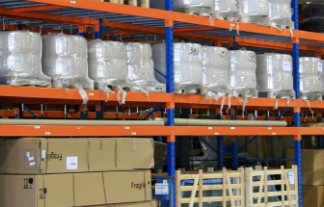
Pallet racking systems have become an essential component in modern warehouses and storage facilities, providing an efficient and cost-effective solution for maximizing storage capacity while ensuring safety. In today’s fast-paced supply chain environment, businesses are constantly seeking ways to optimize their storage operations and minimize risks. By implementing pallet racking systems, organizations can significantly improve their storage capacity and safety, leading to increased productivity and reduced costs. For instance, Discover expert strategies here on how to effectively design and install pallet racking systems to achieve optimal storage capacity and safety.
Benefits of Pallet Racking Systems
Pallet racking systems offer numerous benefits, including increased storage capacity, improved safety, and reduced labor costs. By using vertical space more efficiently, businesses can store more products in a smaller area, reducing the need for additional storage facilities or expansion. Additionally, pallet racking systems provide a secure and stable storage solution, reducing the risk of accidents and damage to products. With a well-designed pallet racking system, businesses can also reduce labor costs by minimizing the time spent searching for stored products.
Types of Pallet Racking Systems
There are several types of pallet racking systems available, each with its own unique features and benefits. Some of the most common types of pallet racking systems include:
- Drive-in racking systems: These systems allow forklifts to drive into the racking system, making it ideal for high-volume storage applications.
- Push-back racking systems: These systems use gravity to push pallets back into the storage area, reducing labor costs and improving safety.
- Selective racking systems: These systems allow for easy access to stored products, making it ideal for applications where products need to be retrieved frequently.
When selecting a pallet racking system, businesses should consider factors such as product weight, size, and storage volume, as well as the type of forklift or equipment being used. For more information on selecting the right pallet racking system for your business, Learn about our tailored solutions to meet your specific storage needs.
Designing and Installing Pallet Racking Systems
Designing and installing a pallet racking system requires careful planning and consideration of several factors, including product weight, storage volume, and equipment usage. A well-designed pallet racking system can significantly improve storage capacity and safety, while a poorly designed system can lead to accidents and damage to products. To ensure a successful installation, businesses should consult with a qualified engineer or storage expert who can provide guidance on designing and installing a pallet racking system that meets their specific needs.
When designing a pallet racking system, businesses should consider factors such as product weight, size, and storage volume, as well as the type of forklift or equipment being used. They should also ensure that the system is designed and installed in accordance with local building codes and safety regulations. For more information on designing and installing pallet racking systems, Explore advanced guides and tips on how to achieve optimal storage capacity and safety.
Maintenance and Repair
Maintenance and repair of pallet racking systems are crucial to ensuring continued safety and efficiency. Regular inspections and maintenance can help identify potential issues before they become major problems, reducing the risk of accidents and damage to products. Businesses should also have a plan in place for repairing and replacing damaged or worn-out components to ensure the continued safety and efficiency of the system. For more information on maintaining and repairing pallet racking systems, Find out more about this approach to optimizing storage capacity and safety.