

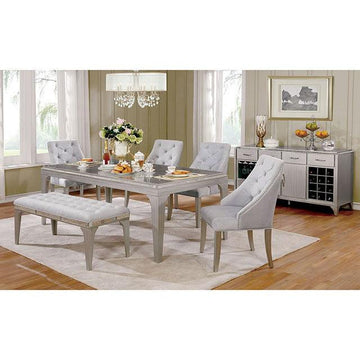
Choosing the right dining chairs is a blend of comfort, style, and practicality. A well-chosen chair not only supports guests during meals but also enhances the overall aesthetic of the dining space. This guide walks through the key factors to consider, ergonomics, materials, scale, and décor compatibility, so that any dining area can feel both inviting and cohesive.
Understanding Ergonomic Comfort
Comfort begins with ergonomics. A chair that supports the natural curve of the spine, offers adequate seat depth, and provides a supportive backrest will encourage relaxed posture.
- Seat Height: Standard dining chairs sit 18-20 inches from the floor. Adjustments may be needed for higher tables or for users with specific needs.
- Backrest Angle: A slight recline (about 95-100 degrees) reduces pressure on the lower back while keeping the sitter upright enough for conversation.
- Cushioning: Firm yet yielding padding distributes weight evenly. Look for high-density foam or layered upholstery for durability.
When exploring specific designs, Read more about this topic. can provide visual examples of ergonomic features in various styles.
Material Choices and Their Impact
The material of a dining chair influences both comfort and visual harmony. Consider the following options:
Wood
- Warmth and timeless appeal.
- Can be upholstered for added softness.
- Requires regular maintenance to prevent scratches.
Metal
- Modern, sleek look.
- Often paired with molded plastic or fabric seats for comfort.
- May feel colder in cooler climates unless padded.
Upholstered Fabric or Leather
- Maximum comfort with soft cushioning.
- Wide range of colors and patterns to match décor.
- Potential for wear; choose durable, easy-clean fabrics.
For a deeper dive into material selection, Learn more in this detailed guide.
Scale and Proportion
Proper proportion ensures that chairs complement the table and surrounding space without overcrowding.
- Width: A seat width of 16-20 inches fits most bodies comfortably.
- Depth: 15-18 inches allows for leg clearance while providing ample sitting surface.
- Overall Height: The chair back should be proportionate to the table height; a back height of 32-36 inches works well for most dining tables.
When measuring, place a tape from the floor to the underside of the table to verify the 10-12 inch clearance needed for legroom.
Matching Décor Styles
Dining chairs should reinforce the room’s design language. Below are common décor themes and how to select chairs that blend seamlessly.
Traditional
- Rich wood tones, carved details, and classic upholstery patterns.
- Consider chairs with turned legs and rolled backs.
Modern / Contemporary
- Sleek lines, metal frames, and minimalist silhouettes.
- Transparent acrylic or molded plastic seats can add a light feel.
Industrial
- Exposed metal, reclaimed wood, and rugged finishes.
- Mix metal frames with leather or canvas cushions for comfort.
Scandinavian
- Light woods, simple shapes, and muted pastel fabrics.
- Focus on functionality and subtle elegance.
To see examples of chairs that fit various styles, Explore further insights here.
Practical Considerations
Beyond aesthetics, practical factors affect long-term satisfaction.
- Durability: Choose sturdy joinery (e.g., mortise-and-tenon) and high-quality finishes.
- Maintenance: Removable cushion covers simplify cleaning; finishes that resist stains are ideal for families.
- Stackability or Foldability: For smaller spaces, consider chairs that can be stacked or folded without sacrificing comfort.
- Weight Capacity: Verify the chair’s load rating, especially for heavier users.
Final Checklist
- Measure table height and ensure 10-12 inches of leg clearance.
- Test seat height, backrest angle, and cushion firmness.
- Match material and finish to existing décor.
- Confirm durability and maintenance requirements.
- Consider the number of chairs needed and storage constraints.
By systematically evaluating these elements, selecting dining chairs becomes a confident, informed process that results in a harmonious and comfortable dining environment.