

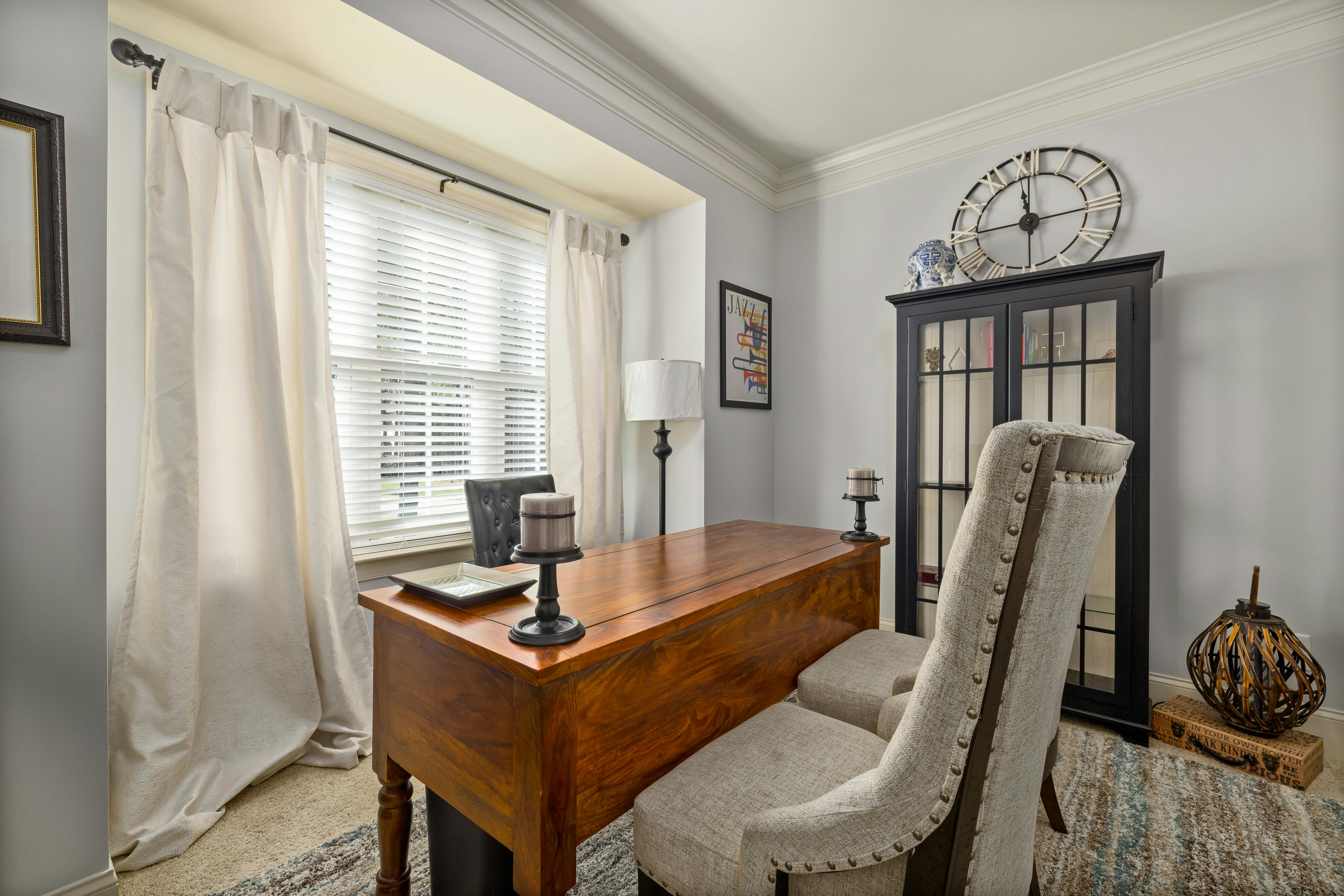
In the era of remote work, a home office is not just a luxury but a necessity. A well-designed workspace can significantly enhance productivity, creativity, and overall well-being. With the right interior design strategies, transforming a corner of your home into a functional and inspiring office can be achieved. This article will explore essential interior design ideas to help you create a productive home office environment.
Understanding the Essentials
Before diving into design specifics, it”?s crucial to understand what a home office needs to be functional and comfortable. A productive home office should have:
- A dedicated workspace that minimizes distractions.
- Ergonomic furniture to support health and productivity.
- Efficient storage solutions to keep clutter at bay.
- Aesthetic elements that inspire creativity and focus.
Choosing the Right Location
Assessing Space Availability
The first step is to identify the best spot in your home for a workspace. Ideally, this should be a quiet area with minimal foot traffic and natural light. Natural light can improve mood and energy levels, making it a valuable asset in any interior design home office project.
Ensuring Privacy
Privacy is paramount, especially if your work involves confidential tasks. Consider using room dividers or strategically placed furniture to create a sense of separation from other living spaces.
Furniture Selection
Ergonomic Considerations
Investing in an ergonomic chair and desk is crucial. These pieces should be adjustable to fit your body and help maintain good posture throughout the day. The right furniture can prevent discomfort and long-term health issues.
Multi-Functional Furniture
For smaller spaces, opt for multi-functional furniture. Desks with built-in storage or foldable tables can save space while offering the functionality needed for a productive workspace.
Lighting: A Key Element
Good lighting is essential for productivity. It reduces eye strain and helps maintain focus. Consider a mix of natural and artificial lighting:
- Position your desk near a window to benefit from natural daylight.
- Use task lighting, like a desk lamp, to reduce glare on work surfaces.
- Incorporate ambient lighting to create a warm and inviting atmosphere.
Color and Decor
Choosing the Right Color Palette
The colors in your home office can affect your mood and productivity. Calming blues and greens are known to enhance focus, while warm hues like yellow can boost creativity.
Incorporating Personal Touches
Adding personal touches such as artwork, plants, or family photos can make the space more inviting and reflective of your personality. This not only makes you feel more comfortable but can also motivate and inspire.
Storage Solutions
Effective storage solutions are essential for maintaining a tidy and organized workspace. Consider the following:
- Install shelves or cabinets to store documents and office supplies.
- Use drawer organizers to keep small items orderly.
- Consider wall-mounted solutions to maximize vertical space.
Technology Integration
Incorporate technology seamlessly into your home office to enhance productivity:
- Ensure you have a reliable Wi-Fi connection for uninterrupted work.
- Use cable organizers to keep cords and wires neatly arranged.
- Consider smart office devices like automated lighting or voice-activated assistants.
Creating a Balanced Environment
A balanced environment promotes productivity and well-being. This involves creating a space that stimulates productivity without being overwhelming. Regularly evaluate your workspace and make adjustments as needed to maintain this balance.
By implementing these interior design home office strategies, any home can become a haven of productivity and inspiration. Whether you are redesigning an existing space or creating a new one, these ideas will guide you in crafting a home office that meets your needs and enhances your work-from-home experience.