

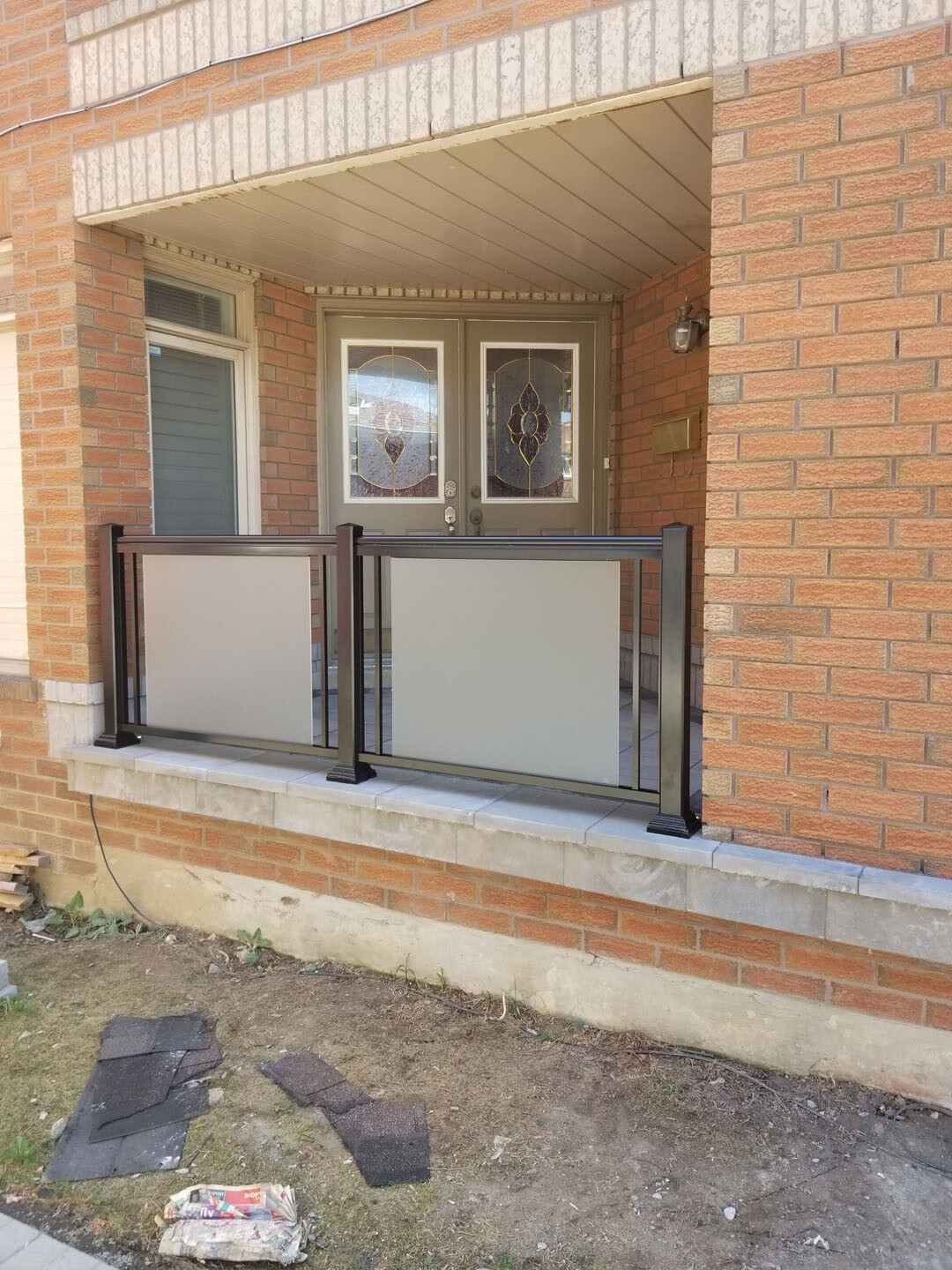
Choosing the right railing system for a residential or commercial project can significantly affect both aesthetics and safety. Two popular options, glass railing installation and frameless glass railing installation, offer sleek, modern looks while providing the necessary support. Understanding the differences in design, structural requirements, maintenance, and cost helps homeowners, architects, and contractors make an informed decision that aligns with the project’s goals and budget.
Understanding the Basics
Glass Railing Installation
Traditional glass railing systems typically incorporate metal posts, clamps, or channels that hold the glass panels in place. These supporting elements are often visible, creating a defined frame around the glass.
Frameless Glass Railing Installation
Frameless systems rely on minimal hardware, usually stainless-steel spigots or point-fixings, mounted directly onto the glass or the underlying structure. The result is a nearly invisible support system that maximizes transparency.
Key Factors to Compare
- Visual Impact: Frameless installations provide a cleaner, more unobstructed view, ideal for waterfront decks or high-rise balconies where scenery is a focal point.
- Structural Support: Conventional glass railings benefit from robust frames that distribute loads more evenly, which can be advantageous in areas with high wind or seismic activity.
- Installation Complexity: Frameless systems often require precise engineering and skilled labor to ensure safety, while standard glass railings are generally quicker to install due to pre-fabricated components.
- Maintenance: Both types need regular cleaning, but frameless designs may show fingerprints on hardware more prominently.
- Cost Considerations: The added engineering and hardware for frameless solutions typically raise material and labor costs compared with traditional glass railing installation.
When to Choose Traditional Glass Railing Installation
Traditional systems are well-suited for projects that prioritize durability and ease of installation. They are often preferred in the following scenarios:
- Commercial properties where code compliance demands additional structural redundancy.
- Outdoor decks exposed to harsh weather, where the frame adds extra protection against impact.
- Renovations with limited structural capacity, as the frame can compensate for weaker attachment points.
For detailed guidance on selecting appropriate hardware and glass thickness, consult resources on glass railing installation.
When Frameless Glass Railing Installation Is the Better Choice
Frameless designs excel when the visual experience is paramount. Consider them for:
- Luxury residential balconies overlooking scenic vistas.
- Modern architectural projects that demand a minimalist aesthetic.
- Spaces where the railing must blend seamlessly with surrounding materials, such as glass walls or steel structures.
Professional insights on achieving a flawless look can be found in articles about frameless glass railing installation.
Installation Process Overview
Step-by-Step for Traditional Systems
- Assess structural load requirements and select appropriate post spacing.
- Install metal posts or channels, anchoring them securely to the substrate.
- Fit tempered glass panels into the frames, using silicone sealants where needed.
- Inspect for proper alignment and perform a final safety test.
Step-by-Step for Frameless Systems
- Conduct a detailed engineering analysis to determine fixing points.
- Drill precise holes in the glass or use surface-mounted spigots.
- Attach stainless-steel hardware with high-strength bolts or adhesives.
- Verify that all fixings meet local building code specifications before loading the system.
Maintenance and Longevity
Both systems rely on tempered or laminated safety glass, which offers high impact resistance. Regular upkeep includes:
- Cleaning with non-abrasive cleaners to prevent etching.
- Inspecting hardware for corrosion, especially in coastal environments.
- Checking for cracks or chips and replacing panels promptly to maintain safety.
Frameless railings may require more frequent hardware inspections due to the exposed nature of the fixings, while traditional railings benefit from the protective frame that shields connections from direct exposure.
Cost Comparison
While exact figures vary by region and project scope, a general cost hierarchy can be outlined:
| Component | Traditional Glass Railing | Frameless Glass Railing |
|---|---|---|
| Glass Panels (tempered) | Standard pricing | Standard pricing |
| Supporting Hardware | Aluminum or steel frames – moderate cost | Stainless-steel spigots & custom fittings – higher cost |
| Installation Labor | Faster, less specialized labor | Specialized installers, longer timeline |
| Total Approximate Cost | Lower to mid-range | Mid-range to premium |
Final Decision Checklist
Before finalizing the choice, run through this quick checklist:
- Is the primary goal visual clarity or structural robustness?
- Does the site have exposure to extreme weather or high wind loads?
- What is the allocated budget for materials and labor?
- Are local building codes more restrictive for one system over the other?
- Will maintenance access be easier with a framed or frameless design?
By weighing these considerations, project stakeholders can select the railing system that delivers the desired blend of safety, style, and sustainability.
Conclusion
Both glass railing installation and frameless glass railing installation offer compelling benefits, yet they serve different project priorities. Traditional framed systems provide added structural confidence and often a more straightforward installation process, making them a reliable choice for demanding environments. Frameless solutions, on the other hand, deliver an almost invisible support structure that maximizes views and complements contemporary architecture. Careful assessment of visual goals, structural demands, budget constraints, and maintenance expectations will guide the selection of the optimal railing system, ensuring a lasting, elegant, and safe result for any space.