

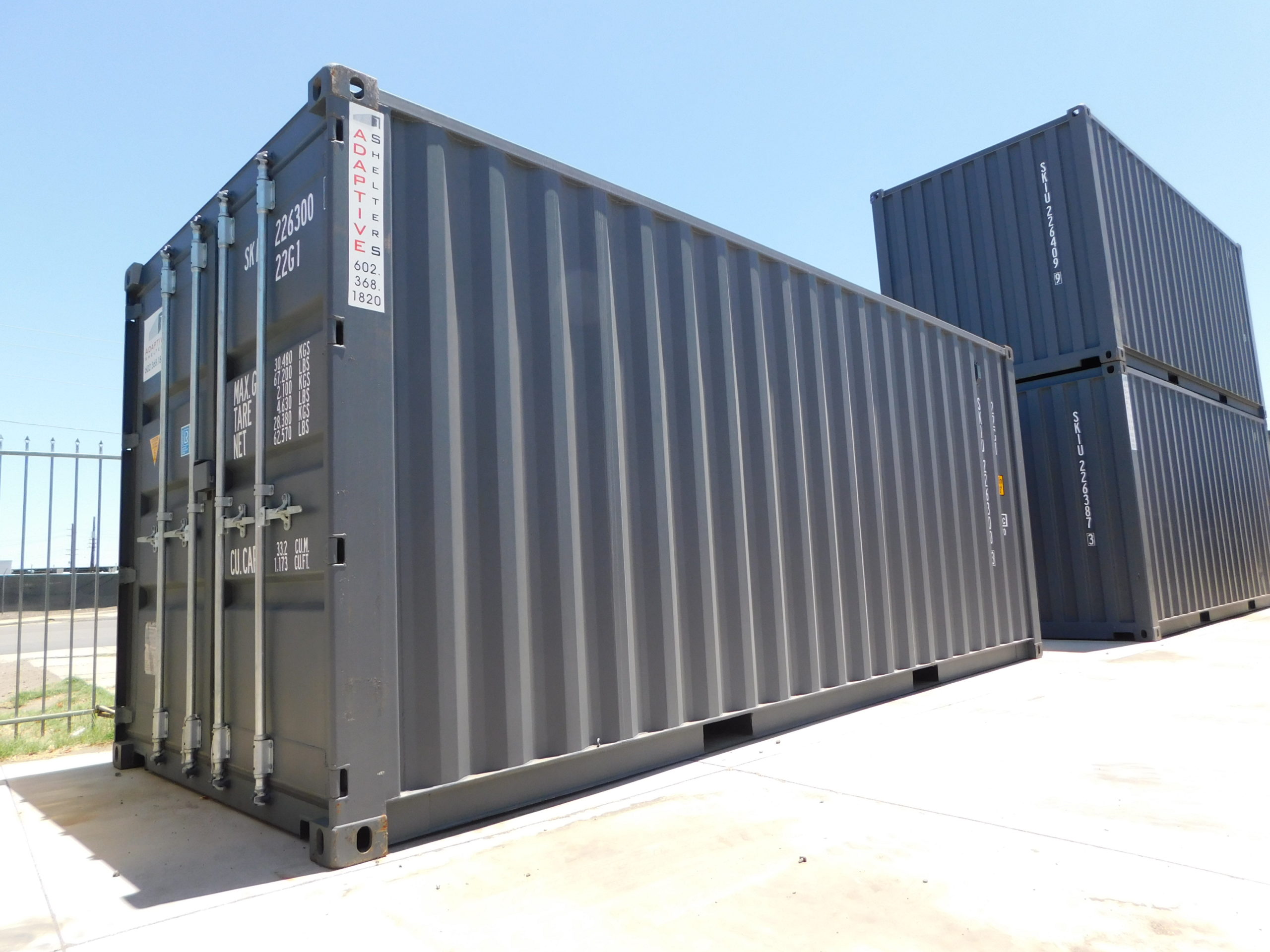
In the fast-paced world of today, the demand for efficient and flexible space solutions is more pressing than ever. Whether it’s for expanding business operations, setting up remote workstations, or creating temporary accommodation facilities, the need for adaptable and quick-to-deploy spaces is undeniable. Temporary modular spaces have emerged as a viable solution to these growing demands, offering both convenience and versatility. These modular units are designed to be easily transported, quickly assembled, and efficiently utilized in various settings. This article delves into the benefits and applications of temporary modular spaces, underscoring their importance in modern-day space management.
Understanding Temporary Modular Spaces
Temporary modular spaces are prefabricated structures that can be easily transported and assembled on-site. They are designed to provide a flexible solution to space constraints without the need for permanent construction. The modular design allows for:
- Quick assembly and disassembly
- Cost-effective space management
- Customization to meet specific needs
- Minimal environmental impact
These modular units are utilized in various sectors, including education, healthcare, and commercial industries, where space requirements can fluctuate rapidly. Read more about this topic.
Benefits of Temporary Modular Spaces
Flexibility and Adaptability
One of the key advantages of temporary modular spaces is their flexibility. They can be configured to suit different purposes, whether as classrooms, offices, or healthcare facilities. This adaptability makes them an ideal choice for organizations that need to respond swiftly to changing space requirements. Explore further insights here.
Time-Efficient Solutions
Traditional construction projects can be time-consuming and disruptive. Temporary modular spaces, however, offer a time-efficient alternative. The prefabricated nature of these units means they can be set up and operational in a fraction of the time required for conventional building projects. This is particularly beneficial for businesses looking to minimize downtime and maintain productivity. Learn more in this detailed guide.
Cost-Effectiveness
The cost savings associated with temporary modular spaces are significant. These units are generally less expensive to produce and maintain than traditional buildings. They also eliminate the need for extensive site preparation and foundation work. Additionally, because they can be reused and relocated, they offer a sustainable, long-term solution to temporary space needs. Find additional information here.
Applications of Temporary Modular Spaces
Commercial and Retail Sectors
In the commercial sector, temporary modular spaces can serve as pop-up stores, additional office space, or even temporary showrooms. Retailers can use these units to test new markets or expand their footprint during high-demand seasons without committing to long-term leases. Read more about this topic.
Emergency and Healthcare Facilities
The healthcare sector benefits significantly from the use of temporary modular spaces, especially during emergencies or pandemics. These units can be rapidly deployed to create additional capacity for patient care or testing facilities. Their flexibility ensures they can be adapted to meet the specific requirements of healthcare providers. Explore further insights here.
Educational Institutions
Schools and universities often face challenges related to space during enrollment surges or renovations. Temporary modular classrooms provide a practical and immediate solution, ensuring that educational activities can continue without interruption. Learn more in this detailed guide.
In conclusion, temporary modular spaces offer a quick, convenient, and cost-effective solution to a wide range of space-related challenges. Their versatility and adaptability make them a valuable asset in various industries, providing the flexibility needed to meet the ever-evolving demands of modern operations. As the need for dynamic space solutions continues to grow, temporary modular spaces will undoubtedly play a pivotal role in shaping the future of space management. Find additional information here.